Indian Foods for Gut Health: Fermented Foods, Fiber, and Probiotics
Medical Disclaimer
This content is for educational purposes only. It is not medical advice, diagnosis, or treatment. Consult your doctor or registered dietitian before making dietary changes, especially if you have a medical condition or are taking medication.
If you have digestive and gut health, work with your healthcare provider to develop a diet plan that is right for you. The information below summarizes published research but is not a substitute for personalized medical guidance.
In This Article
Your Gut Is an Ecosystem, and Indian Food Feeds It
Your gastrointestinal tract contains approximately 100 trillion microorganisms, collectively called the gut microbiome. These bacteria, fungi, and other microbes are not passengers. They are active participants in your health, influencing digestion, immunity, mood, weight, and even how well you respond to medications [1].
Research in the last decade has established that the single most powerful factor shaping your microbiome is what you eat [1]. And by this measure, traditional Indian cuisine may be the most microbiome-friendly food system in the world.
No other major cuisine combines all three pillars of gut health, probiotics (fermented foods), prebiotics (fiber that feeds good bacteria), and anti-inflammatory compounds, as thoroughly and naturally as Indian cooking does.
This article is for general health education. If you have a diagnosed gut condition (IBS, IBD, SIBO, celiac disease), work with a gastroenterologist and registered dietitian. Dietary recommendations for specific conditions differ from general gut health advice.The Three Pillars of Gut Health in Indian Cuisine
Pillar 1: Probiotics (Live Beneficial Bacteria)
Probiotics are live microorganisms that, when consumed in adequate amounts, confer health benefits. Indian cuisine is extraordinary in how many fermented, probiotic-rich foods it includes as daily staples, not occasional additions.
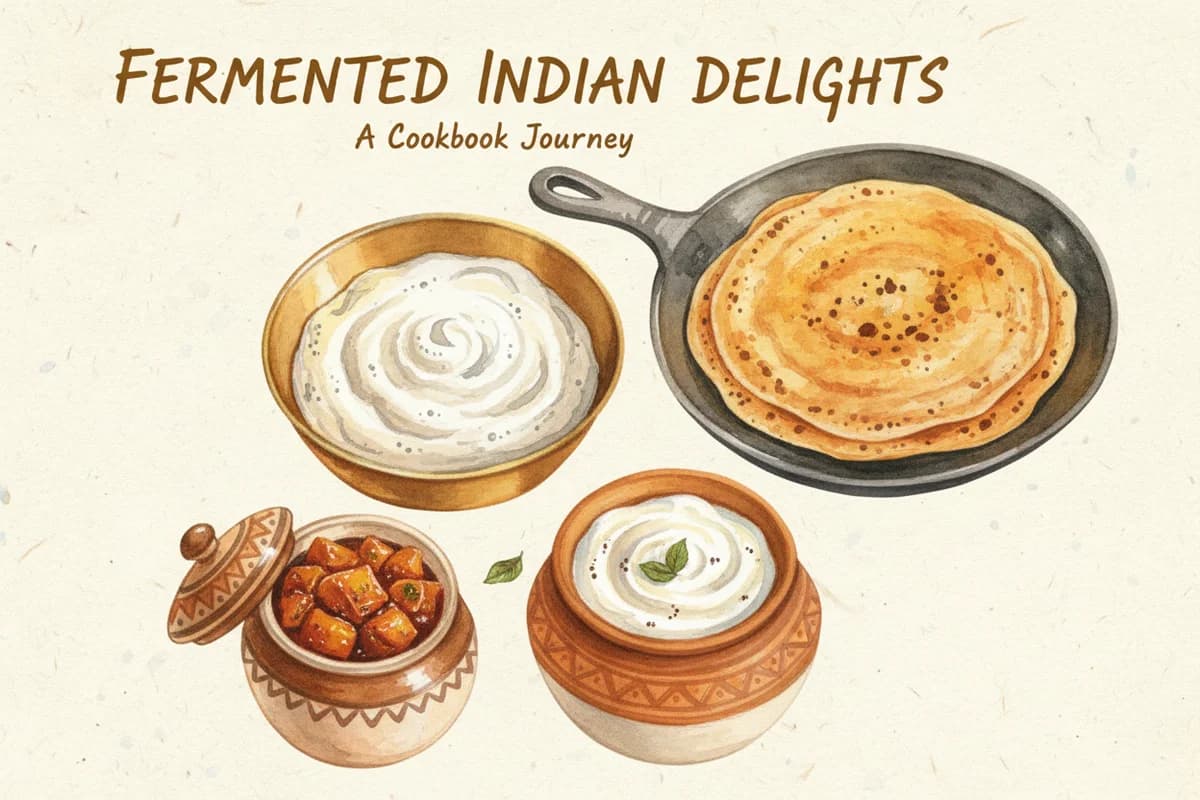
Dahi (yogurt). The cornerstone of Indian fermented food. Homemade dahi contains Lactobacillus bulgaricus, Streptococcus thermophilus, and often additional strains depending on the starter culture. A daily bowl of dahi is the single most impactful probiotic habit you can adopt.Research shows that regular yogurt consumption is associated with improved lactose digestion, reduced GI infections, enhanced immune function, and potentially lower risk of type 2 diabetes [3].
Buttermilk (chaas / mattha). Diluted dahi with spices. Contains the same probiotic strains as dahi in a more easily digestible, hydrating form. The traditional practice of drinking chaas with lunch aids digestion and provides probiotics. Idli and dosa batter. The overnight fermentation of rice and urad dal batter produces Leuconostoc mesenteroides and various Lactobacillus species. Fermentation also breaks down antinutritional factors, making the nutrients in the rice and dal more bioavailable. South Indian cuisine builds an entire meal system around this fermented base. Kanji (fermented carrot water). A traditional North Indian fermented beverage made with black carrots, mustard seeds, and salt. Rich in Lactobacillus species. The Rajasthani version is particularly potent. Achaar (traditional pickles). Genuine, traditionally prepared Indian pickles (not commercially produced ones with preservatives) are lacto-fermented and contain beneficial bacteria. Raw mango pickle, lemon pickle, and mixed vegetable pickles prepared with salt and mustard oil undergo natural fermentation. Dhokla. The Gujarati steamed cake is made from fermented chickpea flour batter, providing both probiotics and the prebiotic benefits of legume fiber. Appam / hoppers. The fermented rice and coconut milk batter used for South Indian appam is another probiotic-rich staple.Pillar 2: Prebiotics (Fuel for Beneficial Bacteria)
Prebiotics are non-digestible fibers that selectively feed beneficial gut bacteria, stimulating their growth and activity. Indian cuisine is naturally rich in prebiotic foods [4]:
Lentils and legumes. All varieties of dal contain oligosaccharides and resistant starch that serve as primary fuel for Bifidobacterium and Lactobacillus species. This is why dal sometimes causes gas. The gas is a byproduct of bacterial fermentation of these prebiotic fibers, which is actually a sign your microbiome is being fed. Onion and garlic. Both are rich in fructo-oligosaccharides (FOS) and inulin, two of the most studied prebiotic compounds. Onion and garlic form the flavor base of virtually every Indian curry and sabzi. Banana (especially raw/unripe). Raw banana sabzi (kacche kele ki sabzi) is rich in resistant starch, one of the most potent prebiotics. This traditional dish is a gut health powerhouse. Whole grains and millets. Bajra, jowar, ragi, and whole wheat contain non-digestible fibers that support diverse gut bacteria. The shift from millets to polished rice has likely reduced prebiotic intake in many Indian diets. Chicory root (kasni). Used in some Indian herbal preparations, chicory root is one of the richest natural sources of inulin. Asparagus (shatavari). While not a daily vegetable in most Indian kitchens, shatavari has been used in Ayurveda for millennia and is rich in prebiotic fructans.Pillar 3: Anti-Inflammatory Spice Support
Gut inflammation disrupts the microbiome and damages the intestinal barrier. Indian spices provide a daily dose of anti-inflammatory compounds that support gut integrity:
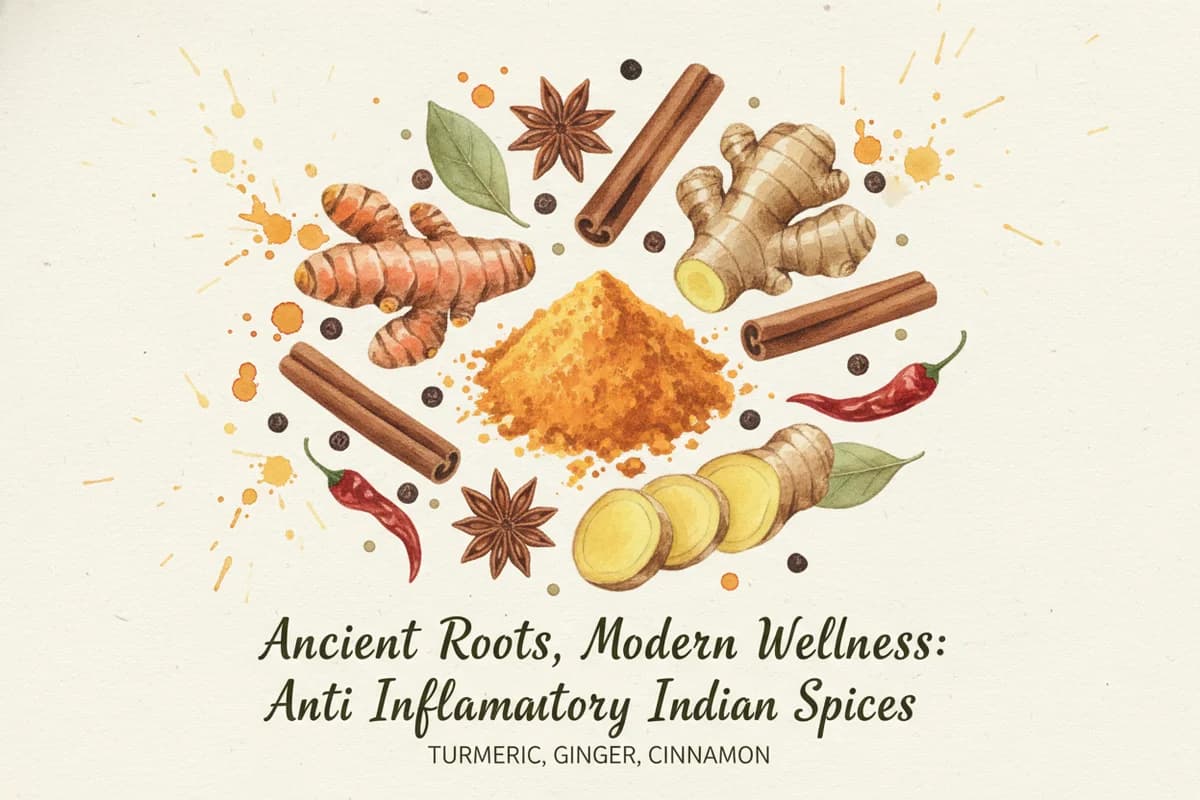
Turmeric. Curcumin may help reduce intestinal inflammation and support gut barrier function. Research suggests potential benefits for inflammatory bowel conditions, though more clinical trials are needed. Ginger. Accelerates gastric emptying, reduces nausea, and has anti-inflammatory effects on the GI tract. The traditional practice of including ginger in almost every Indian meal has practical digestive benefits. Asafoetida (hing). Used in Indian cooking specifically as a digestive aid, particularly in dal preparations. Research suggests it may have carminative (gas-reducing) and antispasmodic properties. Cumin (jeera). Stimulates digestive enzyme secretion and may help with IBS symptoms. Jeera water (cumin boiled in water) is a traditional Indian digestive remedy with some scientific backing. Ajwain (carom seeds). Contains thymol, which has antifungal and antimicrobial properties. Traditionally chewed after meals or added to heavy dishes to aid digestion. Fennel (saunf). Chewed after meals across India as a digestive. Contains anethole, which may relax the smooth muscle of the GI tract and reduce gas and bloating.Foods That Damage Gut Health
Excessive sugar. Feeds harmful bacteria and yeast, disrupts microbial balance, and promotes intestinal inflammation. Reduce mithai, sweetened chai, and all sugary beverages. Artificial sweeteners. Some research suggests that artificial sweeteners may negatively alter gut microbiome composition. Minimize use. Refined flour (maida). Lacks fiber, feeds fewer beneficial bacteria than whole grains, and causes rapid blood sugar spikes that may affect the gut environment. Trans fats and highly processed oils. Promote gut inflammation and may damage the intestinal lining. Excessive alcohol. Disrupts gut barrier integrity ("leaky gut"), kills beneficial bacteria, and promotes growth of harmful species. Unnecessary antibiotics. While not a food, antibiotics are the most potent microbiome disruptors. Take them when prescribed and needed, but do not use them casually. After a course of antibiotics, increase fermented food consumption to support microbiome recovery. Packaged foods with preservatives. Preservatives are designed to kill bacteria, and they do not always distinguish between harmful bacteria in the package and beneficial bacteria in your gut.Foods to Eat: Complete Gut Health List
Daily Essentials
| Food | Gut Health Role | How to Include |
|---|---|---|
| Dahi (plain) | Probiotic | 1 bowl daily with lunch or as raita |
| Dal (any variety) | Prebiotic fiber + protein | Every lunch and dinner |
| Whole wheat / millet roti | Prebiotic fiber | 1-2 with meals |
| Onion + garlic | Prebiotic (FOS, inulin) | Base of every curry/sabzi |
| Turmeric + black pepper | Anti-inflammatory | Every dal and curry |
| Ginger | Digestive, anti-inflammatory | In cooking and tea |
| Green leafy vegetables | Fiber + micronutrients | Daily sabzi |
| Seasonal fruits | Fiber + polyphenols | 1-2 servings daily |
Weekly Inclusions
| Food | Gut Health Role | How to Include |
|---|---|---|
| Idli / dosa | Probiotic (fermented batter) | 2-3 breakfasts per week |
| Traditional pickle | Probiotic (lacto-fermented) | Small serving with meals |
| Buttermilk (chaas) | Probiotic | Afternoon drink 3-4 times/week |
| Raw banana sabzi | Resistant starch (prebiotic) | 1-2 times per week |
| Sprouts | Prebiotic + enzymes | 2-3 times per week |
| Kanji or fermented drinks | Probiotic | When available / seasonal |
7-Day Gut Health Meal Plan
Day 1: South Indian Focus
- Morning: Warm water with 1 tsp cumin (jeera water)
- Breakfast: Idli (3) + sambar (prebiotic onion, garlic, dal) + coconut chutney
- Lunch: Brown rice + rasam + kootu (dal + vegetable) + dahi + small traditional pickle
- Snack: Chaas with roasted cumin and hing
- Dinner: Moong dal soup (ginger, turmeric) + 1 ragi roti + stir-fried beans
Day 2: North Indian Focus
- Morning: Jeera water
- Breakfast: Methi paratha (whole wheat, fenugreek) + dahi + green chutney
- Lunch: Rajma (onion, garlic, turmeric) + 1 bajra roti + salad + raita
- Snack: Sprouted moong chaat with lemon and cumin
- Dinner: Palak dal makhani (moderate ghee) + half cup rice + pickle
Day 3: Fiber Focus
- Morning: Jeera water
- Breakfast: Vegetable oats with ginger and turmeric + small bowl dahi
- Lunch: Chole (high fiber) + 1 jowar roti + onion salad + chaas
- Snack: Raw banana chips (baked) + green tea
- Dinner: Mixed dal (moong + masoor) + steamed seasonal vegetables + 1 roti
Day 4: Fermentation Focus
- Morning: Kanji or diluted amla juice
- Breakfast: Dosa (2, fermented batter) + sambar + peanut chutney
- Lunch: Dal tadka + half cup rice + bhindi sabzi + dahi + traditional mango pickle
- Snack: Dhokla (fermented) with green chutney
- Dinner: Sambar + 1 ragi roti + avial
Day 5: Prebiotic Focus
- Morning: Jeera water
- Breakfast: Besan cheela (2) with onion-garlic filling + dahi
- Lunch: Toor dal + kacche kele ki sabzi (raw banana, high resistant starch) + 1 roti + raita
- Snack: Chaas with hing + handful of walnuts
- Dinner: Khichdi (rice + moong dal, turmeric, ghee) + papad + pickle
Day 6: Anti-Inflammatory Focus
- Morning: Ginger-tulsi tea
- Breakfast: Idli (3) + coconut sambar + mint chutney
- Lunch: Fish curry with turmeric and ginger + brown rice + salad + dahi
- Snack: Golden milk (haldi doodh with pepper and cinnamon)
- Dinner: Masoor dal (ginger, turmeric, garlic) + 1 bajra roti + lauki sabzi
Day 7: Diversity Day
- Morning: Ajwain water (carom seeds in warm water)
- Breakfast: Appam + vegetable stew with coconut milk
- Lunch: Mixed bean curry + 1 roti + sprouted salad + raita + pickle
- Snack: Fermented rice water (kanji) + roasted makhana
- Dinner: Sambar + half cup brown rice + poriyal (dry vegetable with coconut)
The Gut-Brain Connection and Indian Food
Emerging research reveals a bidirectional communication system between your gut and your brain, called the gut-brain axis. Your microbiome produces neurotransmitters including serotonin (approximately 90 percent of your body's serotonin is made in the gut), GABA, and dopamine [5].
A 2014 review in the Journal of Physiological Anthropology found that fermented food consumption is associated with reduced social anxiety and improved mental well-being [5]. The traditional Indian habit of including fermented foods at every meal may support not just digestive health but mental health.
This is speculative territory, and much more research is needed. But it adds another dimension to the value of the daily dahi, the morning idli, and the afternoon chaas that characterize traditional Indian eating.
Rebuilding Gut Health After Antibiotics
If you have recently taken antibiotics, your microbiome has been significantly disrupted. Indian food traditions offer a natural recovery protocol:
Week 1-2: Focus on easily digestible foods. Khichdi, moong dal soup, plain dahi, and light sabzis. This is essentially the traditional "recovery food" approach that Indian families have always used. Week 2-4: Gradually increase fermented food intake. Daily dahi, buttermilk with meals, idli and dosa for breakfast. Add traditional pickles. Week 4+: Resume full dietary diversity with emphasis on fiber-rich foods (dal, vegetables, millets) and continued fermented food intake.The Bottom Line
Your gut microbiome is the foundation of your health, and Indian cuisine feeds it better than almost any other food tradition in the world. The combination of daily fermented foods (dahi, idli, pickle), prebiotic-rich legumes and alliums (dal, onion, garlic), and anti-inflammatory spices (turmeric, ginger, cumin) provides a comprehensive, three-pillar approach to gut health that requires no supplements, no special products, and no dramatic dietary overhaul.
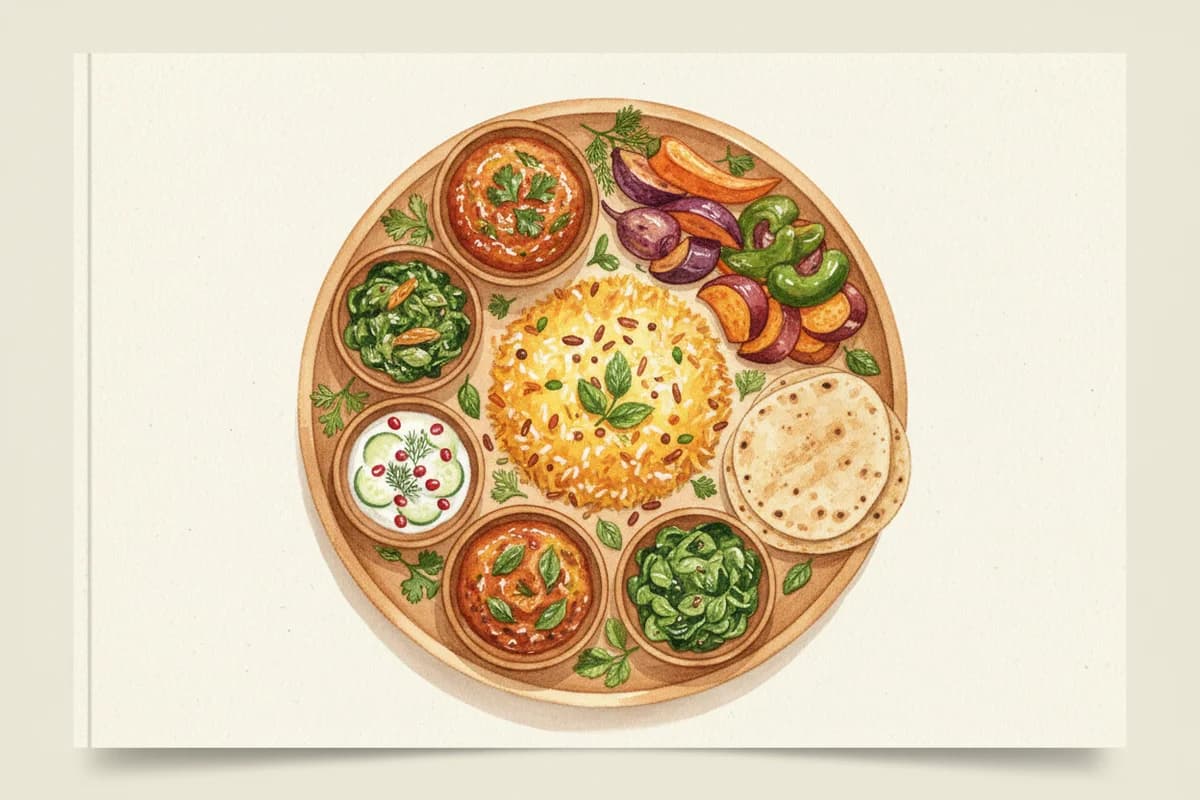
The traditional Indian meal, a bowl of dal with roti, a side of sabzi with onion and garlic base, a spoonful of dahi, and a fragment of traditional pickle, is a microbiome-supporting meal designed by centuries of empirical wisdom.
You do not need expensive probiotics. You need to eat like an Indian grandmother: diverse, fermented, fiber-rich, and spiced with intention.
Sources and References
- [1] Sonnenburg JL, Backhed F. “Diet-microbiota interactions as moderators of human metabolism.” Nature, 2016. View source
- [2] Das B, Nair GB. “Homeostasis and dysbiosis of the gut microbiome in health and disease.” Journal of Biosciences, 2019. View source
- [3] Dimidi E, Cox SR, Rossi M, Whelan K. “Fermented Foods: Definitions and Characteristics, Impact on the Gut Microbiota and Effects on Gastrointestinal Health and Disease.” Nutrients, 2019. View source
- [4] Holscher HD. “Dietary fiber and prebiotics and the gastrointestinal microbiota.” Gut Microbes, 2017. View source
- [5] Selhub EM, Logan AC, Bested AC. “Fermented foods, microbiota, and mental health: ancient practice meets nutritional psychiatry.” Journal of Physiological Anthropology, 2014. View source
Medical Disclaimer
This content is for educational purposes only. It is not medical advice, diagnosis, or treatment. Consult your doctor or registered dietitian before making dietary changes, especially if you have a medical condition or are taking medication.
If you have digestive and gut health, work with your healthcare provider to develop a diet plan that is right for you. The information below summarizes published research but is not a substitute for personalized medical guidance.
Related Recipes
More on Nutrition
Get Weekly Nutrition Insights
Evidence-based articles on Indian food and health, delivered to your inbox. No spam, no fads, just science.