The Short Answer
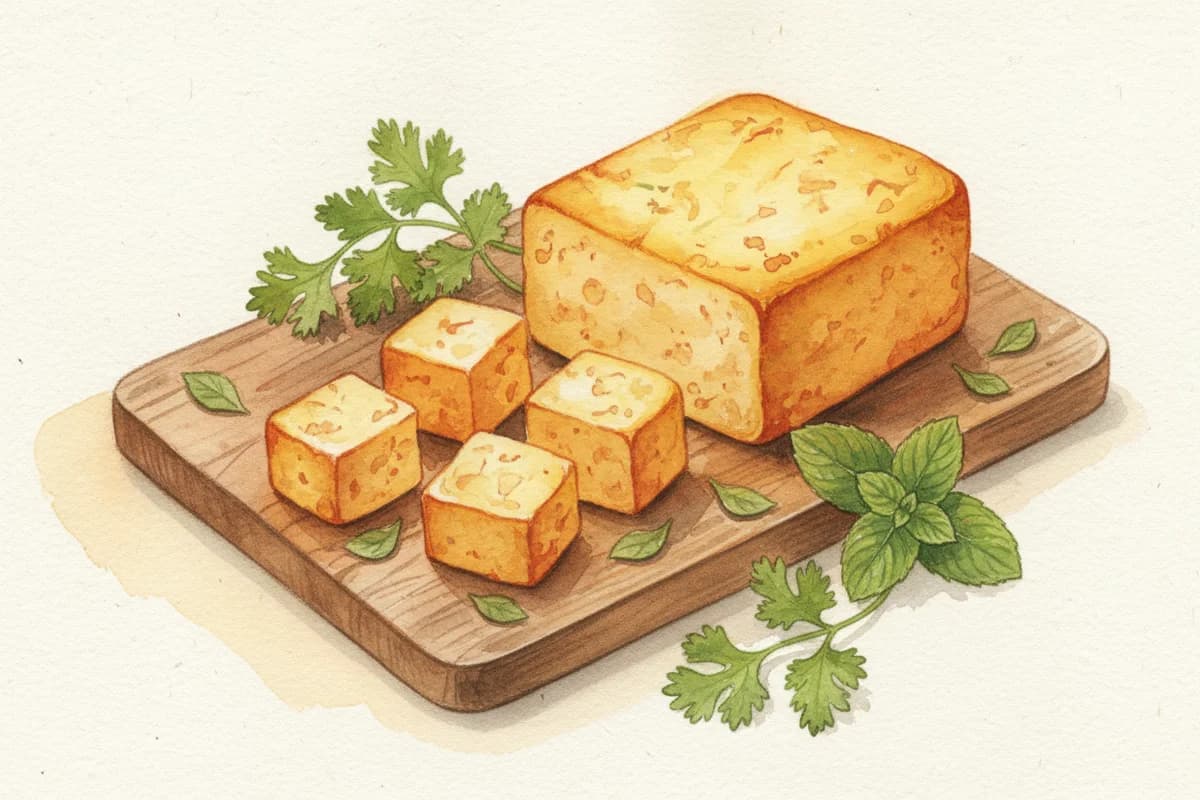
Paneer is an unaged, fresh cheese made by curdling hot milk with an acid (usually lemon juice or vinegar), then pressing the curds into a firm block. It has a mild, milky flavor, a dense texture that holds its shape when cooked, and it does not melt. It is the protein cornerstone of vegetarian Indian cooking.
If you have eaten palak paneer, paneer tikka, or matar paneer at an Indian restaurant, you already know paneer. You just might not know how simple it is, or how central it is to feeding a country where over 400 million people are vegetarian.
How Paneer Is Made
The process takes about 30 minutes:
- Bring whole milk to a boil. Full-fat milk is essential. Low-fat milk produces crumbly, dry paneer.
- Add acid. Lemon juice, white vinegar, or yogurt. About 2 tablespoons per liter of milk.
- Curds separate. The milk immediately splits into white curds and yellowish whey.
- Strain. Pour through muslin cloth or cheesecloth. The whey drains away (save it for kneading roti dough or adding to smoothies; it is full of protein).
- Press. Wrap the curds in the cloth, place a heavy weight on top, and press for 1 to 2 hours.
- Cut. Unwrap, and you have a firm block of fresh paneer ready to cube and cook.
Why Paneer Does Not Melt
Most cheeses melt because they are made with rennet, an enzyme that creates a protein structure that loosens with heat. Paneer is acid-set, meaning the proteins bond differently. When heated, paneer softens slightly but retains its shape. You can grill it, fry it, simmer it in sauce, or drop it into a curry, and it will hold its cubes.
This property is what makes paneer so versatile in Indian cooking. It absorbs the flavors of whatever sauce or marinade it sits in while providing a satisfying, chewy texture.
Nutritional Profile
Per 100 grams of paneer:
- Calories: 265
- Protein: 18 grams
- Fat: 21 grams (mostly saturated from milk fat)
- Carbohydrates: 1.2 grams
- Calcium: 480 milligrams (48% daily value)
How to Cook with Paneer
In Curries
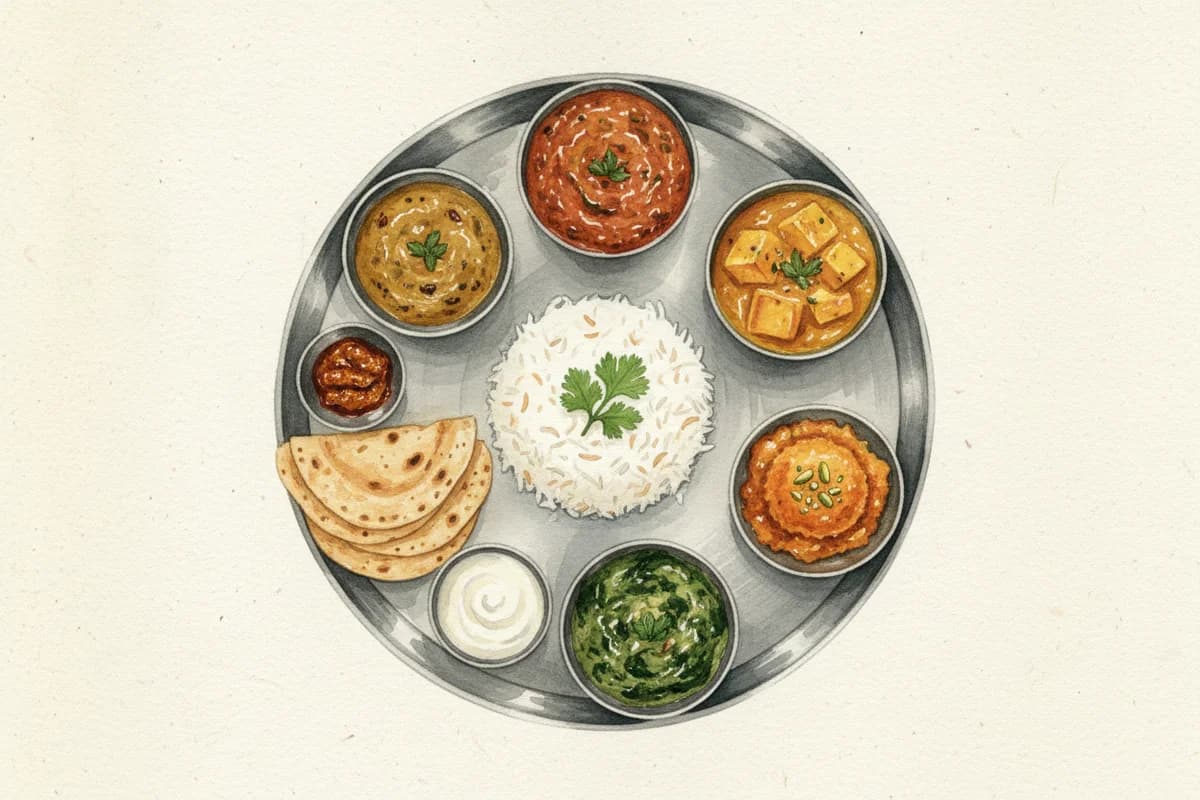
The most common use. Paneer cubes are added to gravies like palak paneer (spinach), matar paneer (peas), shahi paneer (cream-based), and kadai paneer (bell pepper). The cheese absorbs the gravy flavors while providing a protein-rich bite in every spoonful.
Tip: Lightly fry paneer cubes in a little oil or ghee before adding to gravy. This creates a golden skin that holds up better in the sauce and adds a slight crispness.Grilled or Tandoori
Paneer tikka is cubed paneer marinated in yogurt, spices, and lemon juice, then grilled or broiled until charred at the edges. The result is smoky, spiced, and deeply satisfying. It is one of the most popular appetizers in Indian restaurants.
Scrambled (Paneer Bhurji)
Paneer crumbled and cooked with onions, tomatoes, green chilies, and spices. Think of it as the Indian equivalent of scrambled eggs. It is a quick weeknight dinner, a filling breakfast, or a stuffing for parathas.
In Stuffings
Crumbled paneer mixed with herbs and spices makes a filling for parathas, samosas, and dosas.
Raw
Fresh, homemade paneer is delicious on its own, seasoned with a little salt and black pepper, or cubed into salads. It has a clean, milky flavor that needs almost no embellishment.
How to Buy Paneer
Indian grocery stores stock paneer in the refrigerated section. Brands like Nanak, Amul, and Haldiram are commonly available. Look for paneer that is white, moist, and has a mild smell. Avoid paneer that looks yellowed or dried out. Regular grocery stores in areas with Indian communities increasingly stock paneer. Check the specialty cheese section. Homemade is always better. If you have 30 minutes and a liter of milk, make your own. The difference in taste and texture is significant.How to Store Paneer
- Fresh (homemade): Store in water in the refrigerator, changing the water daily. Use within 3 to 4 days.
- Packaged: Follow the expiration date. Once opened, store in water and use within 2 to 3 days.
- Frozen: Paneer freezes well. Cut into cubes, spread on a tray to freeze individually, then transfer to a bag. Frozen paneer has a slightly spongier texture, which actually helps it absorb more sauce.
Paneer vs. Other Cheeses
| Paneer | Tofu | Halloumi | Cottage Cheese | |
|---|---|---|---|---|
| Made from | Milk + acid | Soy milk + coagulant | Milk + rennet | Milk + acid |
| Melts? | No | No | Partially | No |
| Protein/100g | 18g | 8g | 22g | 11g |
| Flavor | Mild, milky | Neutral | Salty, tangy | Mild, tangy |
| Texture | Firm, dense | Soft to firm | Firm, squeaky | Soft, curds |
The Bottom Line
Paneer is one of those ingredients that seems exotic if you did not grow up eating it, and completely essential if you did. It is the reason Indian vegetarian food never feels like it is missing something. When you have a block of fresh paneer, a handful of spices, and some basic vegetables, you have the foundation for dozens of satisfying meals.
Start with paneer tikka or palak paneer if you are new to it. Make it from scratch at least once. And understand that for hundreds of millions of Indians, this simple fresh cheese is not a novelty ingredient. It is a way of life.